


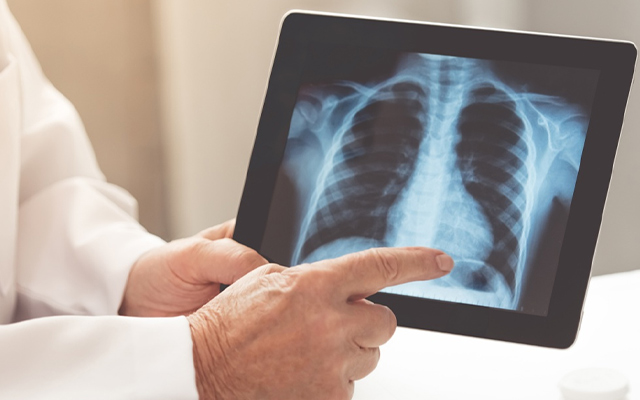
Lung cancer is often associated with late diagnosis, but that does not mean earlier-stage detection is impossible.
Can lung cancer be detected before symptoms appear? In certain situations, yes. Modern screening methods can sometimes identify abnormalities long before noticeable warning signs begin affecting daily life.
The challenge is that timely diagnosis depends heavily on risk assessment, proactive screening and expert clinical interpretation.
Most people wait for symptoms before seeking medical attention. Unfortunately, lung cancer may already have progressed by that stage.
For individuals searching for an experienced lung cancer doctor, Dr Joydeep Ghosh in Kolkata, understanding how earlier diagnosis works can help shift the focus from delayed reaction to informed action.
Why Lung Cancer Often Remains Undetected Initially
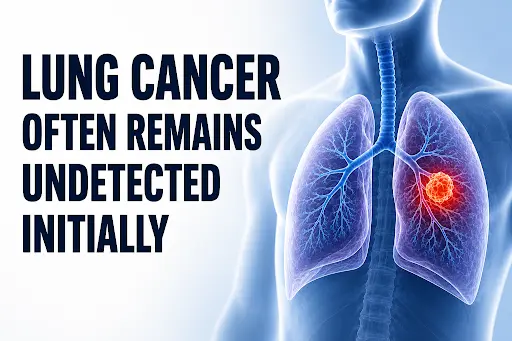
One of the biggest challenges with lung cancer is that it may develop quietly during the earlier stages.
Small tumours inside the lungs do not always interfere with breathing immediately. In many cases, there may be no pain, no persistent cough and no obvious physical changes initially.
Even when subtle warning signs appear, they are often mistaken for:
- Seasonal allergies
- Smoking-related irritation
- Mild respiratory infection
- Fatigue
- Pollution-related breathing discomfort
Many people assume persistent breathing discomfort will eventually improve on its own, which often delays specialist evaluation longer than it should.
This is one reason many patients receive a diagnosis only after the disease becomes more advanced.
Why Delayed Detection Happens Frequently
| Contributing Factor | Why It Matters |
| Lack of routine screening | Many people are never evaluated early |
| Mild early-stage changes | Symptoms may appear insignificant initially |
| Delayed specialist consultation | Medical attention is often postponed |
| Misinterpretation of warning signs | Lung-related concerns may be overlooked |
Understanding this silent progression becomes especially relevant because lung cancer is often easier to manage when identified earlier.
Can Lung Cancer Really Be Detected Before Symptoms Appear?
Yes, but not in every individual.
Earlier-stage diagnosis is usually possible through targeted screening rather than routine health checkups. This means screening is generally recommended for people considered at higher risk.
The reality is simple: Earlier-stage diagnosis depends far more on proactive screening than accidental discovery.
The Most Effective Way to Detect Lung Cancer Early
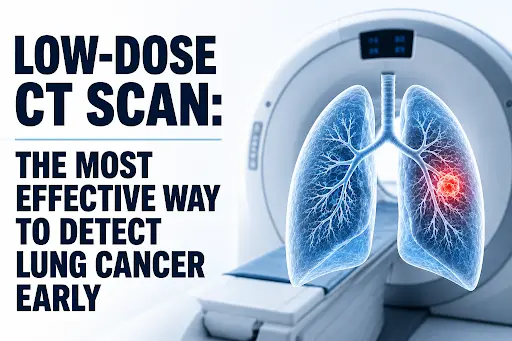
Low-Dose CT Scan: The Most Reliable Screening Tool
At present, low-dose CT (LDCT) scanning is considered one of the most effective methods for identifying lung cancer at an earlier stage.
Unlike standard chest imaging, LDCT scans can detect:
- Very small lung nodules
- Subtle tissue abnormalities
- Early-stage tumours
- Suspicious structural lung changes
These abnormalities may not create symptoms immediately, which is why screening can become important before physical discomfort develops.
Detection Possibility at a Glance
| Situation | Detection | Common Approach |
| No symptoms + high-risk profile | Possible | Low-dose CT scan |
| No symptoms + low-risk profile | Less common | Routine screening usually not advised |
| Symptoms already present | More likely | Imaging + specialist evaluation |
Screening is selective because doctors carefully balance early identification benefits against unnecessary testing or procedures.
Who May Benefit From Lung Cancer Screening?
Lung cancer screening is not designed for everyone. It is generally considered more useful for individuals with higher-risk profiles.
Higher-Risk Groups May Include
- Long-term smokers
- Individuals with heavy tobacco exposure
- Older adults within screening age groups
- People exposed to industrial pollutants or harmful chemicals
- Individuals with a strong family history of lung cancer
Situations Where Screening Discussions Become Relevant
- Persistent respiratory concerns
- Unexplained breathing difficulty
- Previous lung disease
- Abnormal imaging findings
- Long-term smoking history
Identifying the right candidates for screening helps improve timely diagnosis while avoiding unnecessary intervention in lower-risk individuals.
What Happens When Lung Cancer Is Detected Later?
Without screening, lung cancer is often discovered only after it begins affecting lung function or surrounding structures.
At this stage, symptoms may include:
- Persistent cough
- Breathlessness
- Chest discomfort
- Coughing up blood
- Unexplained weight loss
- Ongoing fatigue
These warning signs usually indicate disease progression rather than very early-stage cancer.
This is why specialist evaluation becomes increasingly valuable once symptoms continue without improvement.
Why Specialist Evaluation Matters After Detection
Modern cancer care increasingly depends on precision-based decision-making rather than one standard approach for every patient.
Detection is only the first step. Accurate interpretation and timely planning are equally important.
An experienced lung cancer doctor, like Dr Joydeep Ghosh, in Kolkata, plays an important role in:
- Reviewing imaging findings
- Confirming diagnosis
- Identifying disease stage
- Recommending further investigations
- Structuring the treatment pathway
What Happens After Earlier Detection?
Once suspicious findings are identified, evaluation usually follows a structured pathway.
1. Confirming the Diagnosis
Additional investigations may be required to verify initial imaging findings.
2. Determining the Stage
Staging helps doctors understand whether the disease remains localised or has spread further.
3. Molecular and Genetic Testing
Certain lung cancers contain specific genetic mutations that may influence treatment selection.
4. Personalised Treatment Planning
Treatment decisions are usually based on:
- Stage of disease
- Molecular profile
- Tumour behaviour
- Overall patient health
This reflects a precision oncology approach where treatment is increasingly tailored rather than standardised.
Treatment Options When Lung Cancer Is Identified Earlier
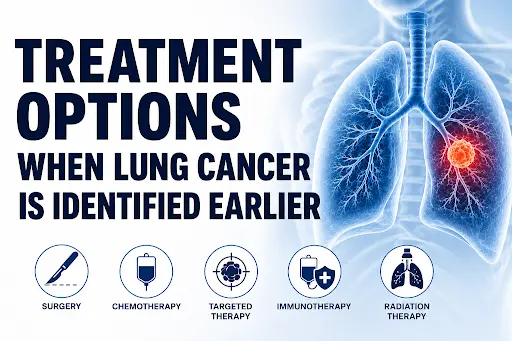
When lung cancer is identified at an earlier stage, treatment can sometimes become more effective and less aggressive compared to advanced-stage disease.
Management depends on:
- Cancer stage
- Tumour biology
- Overall patient condition
- Molecular characteristics
Commonly Discussed Treatment Approaches
- Surgery: Often considered when the tumour remains localised and removable.
- Chemotherapy: May be used after surgery or alongside other treatments, depending on disease behaviour.
- Targeted Therapy: Used for cancers carrying specific genetic mutations such as EGFR or ALK alterations.
- Immunotherapy: Helps the immune system recognise and respond to cancer cells more effectively.
- Radiation Therapy: Advanced radiation techniques may help treat selected patients who are not ideal surgical candidates.
The primary goal is always to create the most appropriate treatment strategy while preserving quality of life as much as possible.
Can Earlier Diagnosis Improve Long-Term Outcomes?
Yes. Earlier diagnosis can significantly influence treatment possibilities and long-term outcomes.
When lung cancer is identified at an earlier stage:
- Treatment possibilities often become broader
- Surgery may remain feasible
- The risk of complications can sometimes decrease
- Disease control may improve
Advanced-stage detection often limits available treatment possibilities and increases treatment complexity.
This is why doctors continue encouraging timely evaluation in individuals with higher-risk profiles or persistent respiratory concerns.
Understanding Cost and Treatment Planning
Beyond medical decisions, practical planning also becomes part of the treatment journey for many families.
Cancer treatment planning often involves emotional, medical and financial considerations simultaneously.
The overall cost may depend on:
- Stage of disease
- Treatment duration
- Type of therapy required
- Hospital infrastructure
- Technology involved in care
Structured planning helps patients approach treatment more confidently while reducing avoidable interruptions during care.
When Should Someone Seek a Second Opinion?
A second opinion can help patients feel more informed and confident before beginning treatment.
A second opinion may become useful when:
- Diagnosis feels unclear
- Treatment options appear limited
- Advanced-stage disease is detected
- Patients want confirmation before major decisions
Seeking another expert perspective often improves clarity rather than creating confusion.
Choosing the Right Lung Cancer Specialist Matters
A diagnosis alone does not define outcomes. The quality of planning, interpretation and ongoing support matters equally.
Patients usually look for:
- Clinical experience
- Access to modern therapies
- Multidisciplinary cancer care
- Personalised treatment strategies
- Transparent communication
When everything suddenly starts revolving around scans, reports, and difficult decisions, the right cancer guidance matters.
Dr Joydeep Ghosh, a lung cancer doctor in Kolkata, combines precision-led treatment with personalised oncology care designed to bring greater clarity, confidence, and direction to every stage of the journey.
Final Takeaway
Lung cancer can sometimes be detected before symptoms appear — but only when appropriate screening, risk assessment and timely medical guidance come together.
Timely identification matters because it may:
- Improve treatment possibilities
- Support earlier intervention
- Reduce delays in care
- Improve long-term disease management
If persistent respiratory concerns, long-term smoking exposure or unexplained lung-related changes continue without clarity, timely specialist consultation becomes important.
Dr Joydeep Ghosh, an experienced lung cancer doctor in Kolkata, stands at the intersection of precision oncology and modern lung cancer treatment. Speak to him and plan your personalised cancer care pathway.
Call 098755 18968 now and book a consultation today.
Frequently Asked Questions
1. Can lung cancer develop without noticeable symptoms initially?
Yes. Early-stage lung cancer may sometimes grow quietly without causing obvious physical changes or breathing difficulties initially.
2. What is the most reliable screening method for early lung cancer detection?
Low-dose CT scanning is currently considered one of the most effective methods for identifying lung cancer earlier in higher-risk individuals.
3. Are all lung nodules cancerous?
No. Many lung nodules are non-cancerous and may develop due to infection, inflammation or previous lung conditions.
4. Who is usually considered at higher risk for lung cancer?
Long-term smokers, individuals with heavy tobacco exposure, older adults and people exposed to industrial pollutants may carry higher risk profiles.
5. Does earlier diagnosis improve lung cancer treatment outcomes?
Earlier diagnosis may improve treatment possibilities, allow less aggressive intervention and support better long-term disease management.
6. When should someone consult a lung cancer specialist?
Specialist consultation becomes important when respiratory symptoms persist, abnormal imaging findings appear or lung-related concerns remain unexplained.
7. Can non-smokers also develop lung cancer?
Yes. Factors such as pollution exposure, environmental toxins, genetics and previous lung disease may also contribute to lung cancer risk.