


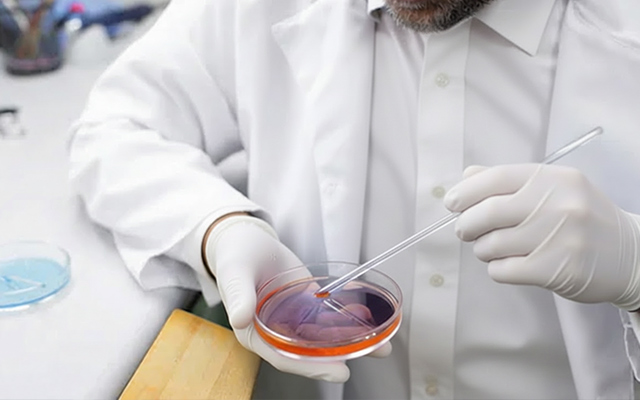
Cancer care goes far beyond diagnosis. From confirming disease through a biopsy to planning surgery, chemotherapy, or recovery, a cancer doctor guides every step of treatment.
They interpret reports, understand tumour behaviour, and choose the safest path forward while protecting both survival and quality of life.
A cancer diagnosis rarely arrives with drama
It often begins quietly. A test result. A report. A phone call that changes the tone of a day. What follows is confusion, fear, and a thousand unanswered questions.
Fortunately, this is where a cancer doctor in Kolkata, such as Dr Joydeep Ghosh, becomes more than a specialist.
This guide walks through what truly happens from biopsy to treatment.
After Cancer Is Suspected: The Critical Steps a Cancer Doctor Takes Next
After suspicion arises, a cancer doctor confirms the diagnosis, determines the cancer type and stage, explains findings, and initiates a structured plan. Every step is evidence-based and personalised.
Transitioning from suspicion to certainty is the most delicate phase. This is where understanding ‘what does an oncologist do " becomes critical.
How suspicion turns into structured evaluation
Symptoms or imaging findings prompt further testing. The cancer doctor reviews clinical history, examines reports, and decides whether tissue confirmation is required.
At this stage, precision matters more than speed. Rushing leads to errors. Delay leads to anxiety. The balance defines good cancer care.
Biopsy in Cancer Care: The Foundation of Diagnosis and Treatment Planning
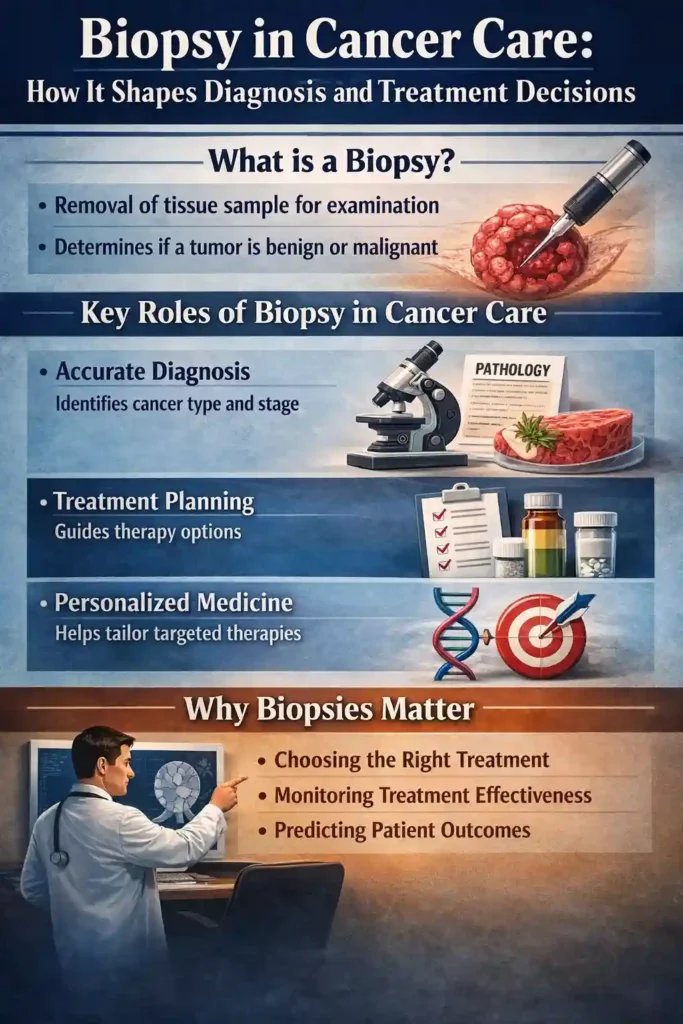
A biopsy confirms whether cancer is present, identifies its exact type, and reveals biological behaviour. Treatment decisions depend on biopsy findings.
A biopsy test for cancer is not just a formality. It is the foundation of every decision that follows.
What actually happens during a biopsy?
A small tissue sample is taken from the suspicious area and examined by a pathologist. This reveals whether cells are benign or malignant and, if cancerous, what subtype is involved.
Without biopsy confirmation, treatment is guesswork. With it, care becomes targeted.
After a biopsy, What Happens Next?
Many families ask what happens after a biopsy, because the waiting feels endless.
After the biopsy results, the cancer doctor explains the diagnosis, orders staging tests, and begins planning treatment. Nothing starts without full clarity.
Moving from report to roadmap
Once cancer is confirmed, additional tests determine the extent of the disease and its stage. This structured cancer diagnosis process ensures treatment is neither excessive nor insufficient.
The cancer doctor synthesises pathology, imaging, and patient health into a single clinical picture.
Cancer Treatment Isn’t One Size Fits All: How Doctors Make the Right Call
Treatment decisions depend on cancer type, stage, biology, patient health, and goals. Plans are tailored, not templated.
This phase, known as cancer treatment planning, is where expertise shines.
Factors that shape the plan
- Cancer type and subtype
- Stage and extent
- Patient age and medical fitness
- Expected benefits versus side effects
The medical oncologist's role is to integrate science with humanity. Not every patient needs aggressive treatment. Not every cancer behaves the same [Source]
Different Types of Cancer Treatment
Cancer treatment may include chemotherapy, targeted therapy, immunotherapy, hormonal therapy, or supportive care. Selection depends on tumour biology and patient needs.
Understanding types of cancer treatment helps patients engage confidently in decisions.
Standard Treatment Modalities
| Treatment Type | Purpose |
| Chemotherapy | Kills rapidly dividing cancer cells |
| Targeted Therapy | Attacks specific cancer pathways |
| Immunotherapy | Activates the immune system |
| Hormonal Therapy | Blocks hormone-driven cancers |
| Supportive Care | Manages symptoms and quality of life |
A skilled cancer doctor explains not just what is chosen, but why alternatives may not be.
Your First Cancer Consultation Explained
A consultation includes the following
- An explanation of the diagnosis
- A discussion of options
- The side effects, timelines, and expectations.
A proper cancer doctor consultation is never rushed. It is designed to replace fear with understanding.
What patients often overlook
This is the time to ask important questions, understand your treatment goals, and make sure medical decisions align with your life priorities.
A good cancer doctor does not just explain options. They listen carefully, understand concerns, and guide choices together with the patient.
The Cancer Treatment Journey: What Patients Can Expect at Every Stage
Treatment follows a planned sequence with regular monitoring, dose adjustments, and response assessment. Flexibility is built into care.
Cancer treatment is not linear. Bodies respond differently. Side effects vary. Adjustments are normal.
Monitoring and mid-course correction
Regular reviews ensure treatment remains effective and tolerable. Scans and blood tests guide decisions. Silence between visits does not mean neglect. It means stability.
This is where Dr. Joydeep Ghosh quietly stands out. His approach reflects academic rigour paired with clinical calm.
Follow-Up After Cancer Treatment: The Key to Long-Term Recovery
Follow-up ensures recovery stays on track, identifies recurrence at its earliest and most treatable stage, and manages delayed side effects of therapy. It allows doctors to monitor organ function, nutritional status, and emotional well-being over time.
Cancer care does not end with the final treatment cycle
Ongoing surveillance, lifestyle guidance, symptom tracking, and psychological reassurance form a structured safety net that protects long-term health and quality of life.
Common Cancer Myths That Often Delay Timely Treatment
Common myths around cancer often create unnecessary fear, hesitation, and confusion.
Many patients delay diagnosis or refuse effective treatment because of outdated beliefs or half-truths. These misconceptions disrupt timely care, strain families emotionally, and complicate recovery.
Clearing Myths vs Facts Changes Decisions and Outcomes
When patients understand what modern cancer care truly involves, decisions become calmer, faster, and far more effective. Accurate education replaces fear with clarity.
These misconceptions delay care and increase fear. Education changes outcomes.
| Myth | Reality |
| All cancers need chemotherapy | Treatment varies widely |
| A biopsy spreads cancer | Modern biopsies are safe |
| Treatment must start immediately | Correct diagnosis comes first |
| Side effects are unavoidable | Many are preventable or manageable |
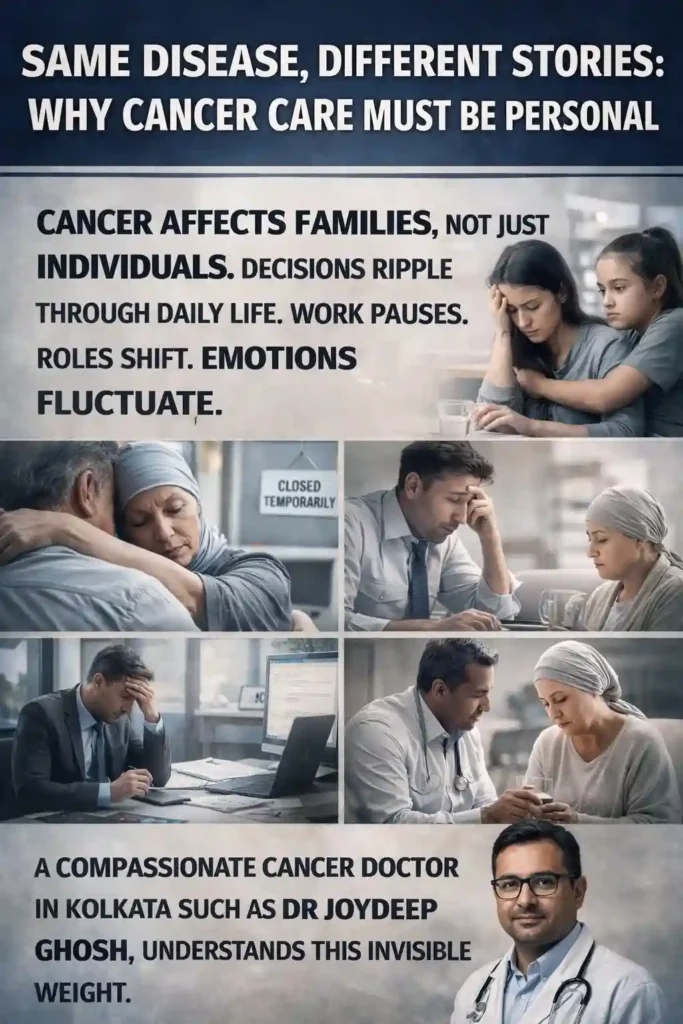
A compassionate cancer doctor, such as Dr.Joydeep Ghosh, understands this invisible weight.
Summary and Next Steps: Turning Diagnosis Into Direction
Cancer care is not about dramatic interventions. It is about thoughtful sequencing, honest communication, and steady guidance. From biopsy to treatment, every step has a purpose.
Understanding the process empowers patients to act early and wisely. If you or someone you love is navigating this path, a structured consultation with Dr. Joydeep Ghosh can provide direction rooted in experience and evidence.
Book a private session today.
People Also Ask
What happens after a biopsy shows cancer?
After a biopsy confirms cancer, the doctor reviews the cancer type and cell behaviour, orders staging tests such as scans or blood work, explains the diagnosis, and begins treatment planning. No treatment starts until the extent and patient condition are clearly understood.
Can a doctor tell what stage of cancer from a biopsy?
A biopsy identifies cancer type and aggressiveness, but cannot determine stage alone. Staging requires imaging tests and sometimes additional procedures to see how far cancer has spread. The biopsy provides essential biological details, while staging defines the extent of the disease.
Why does my doctor want to see me after a biopsy?
The doctor meets after a biopsy to explain the results, clarify whether cancer is present, discuss next diagnostic steps, and address concerns. This visit ensures patients understand findings accurately and are prepared for further tests or treatment decisions.
Are biopsies done for anything other than cancer?
Yes. Biopsies are also used to diagnose infections, inflammatory conditions, autoimmune diseases, and non-cancerous growths. They help doctors understand abnormal tissue changes and choose appropriate treatment, even when cancer is not suspected.